We tell you what a system is built on.
in the Quantrim Guardrails Framework, revision 2, September 2026. One named owner, a record and a process.
Open Supply Chain means you should never have to take “proprietary AI” on faith. You know which models, platforms and vendors sit behind anything we build, and you are told when that changes underneath you.
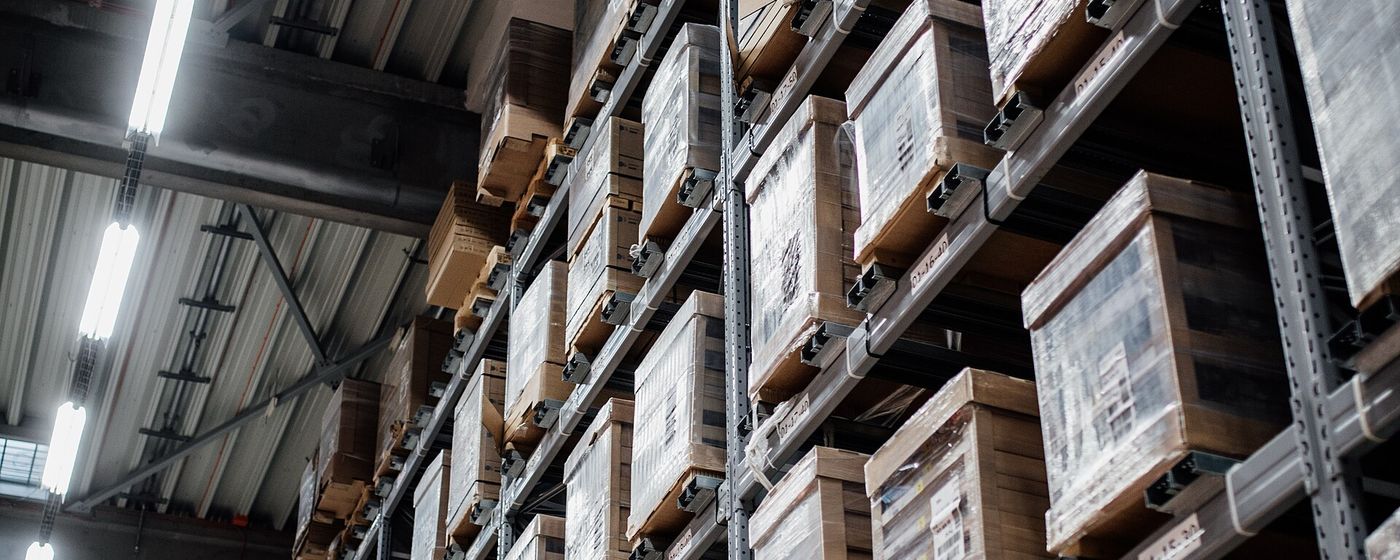
Photo: Shixart1985, CC BY 2.0, via Wikimedia Commons
What supply chain transparency actually looks like
No black boxes
You know which models, platforms and vendors sit behind anything we build for you, described in plain terms, not as a black box.
Changes are flagged
Changes to an underlying model or platform are flagged to you, not made silently and discovered later.
Third-party tools get checked too
Where we integrate a third-party AI tool, its own governance posture is checked before it becomes part of yours.
Called what it is
Nothing is described as proprietary AI magic when it is actually a well-built wrapper on someone else’s model.
Transparency with you, not public disclosure
This guardrail is about your right to know what is running your own business. It is not about publishing architecture diagrams for competitors, it is about a client never having to guess what they are actually paying for.
Grounded in
- Australia’s Voluntary AI Safety Standard, guardrail 8 (supply chain transparency)
- ISO/IEC 42001, Annex A supplier and third-party controls
The rest of the framework
All ten guardrails run through every engagement. Here are the other nine.

Frequently asked questions
Does this mean you’ll tell competitors how we’re built?
No, this is about transparency with you, our client, not public disclosure. You should never be guessing what is actually running your own business.
What happens if a vendor changes their model underneath us?
We track it and flag anything that changes how the system behaves, rather than letting you find out from a customer complaint.